

Stop scrolling. I need to tell you something.
That jacket you just double-tapped on Instagram? The one with the intricate floral work that made you audibly gasp? Yeah, that one. Here's what the caption didn't mention: it probably started as a $15 thrift store find. The magic you're seeing? It's embroidery. And no, not the kind your great-aunt Martha does on kitchen towels.
I'm talking about the underground revolution that's quietly transforming how we think about personal style. While everyone else is wearing the same Zara pieces, a growing tribe of style mavens has discovered something different. Something that makes strangers stop them on the street to ask, "Where did you get that?"
The answer is always the same: "I made it."
Here's what I've learned after falling down this particular rabbit hole: there are exactly five embroidery techniques dominating the fashion world right now. Master any one of them, and you'll never blend into the crowd again. Master all five? You'll become the person whose style everyone else tries to copy.
But first, let me share how I stumbled into this world. Picture me, three years ago, standing in front of my closet having what can only be described as a fashion crisis. Everything looked the same. Everything was the same. That's when my neighbor—a 70-year-old retired art teacher named Helen—knocked on my door holding the most stunning denim jacket I'd ever seen.
"Made it myself," she said with a wink.
That was my gateway drug.
1. Needle Punch Embroidery: The Speedster's Secret Weapon
Let's start with the technique that'll give you the biggest bang for your buck: needle punch embroidery.
Picture this. You know that satisfying feeling of bubble wrap? Multiply it by ten, add some artistic flair, and you've got needle punch. It's the technique where you literally punch holes through fabric to create these incredible looped textures on the back side. Sounds aggressive, right? It is. And that's exactly why it works.
The first time I tried it, I was skeptical. How could something that sounds like a kindergarten craft project create the sophisticated textural work I'd been admiring on $300 designer pieces? Then I spent two hours transforming a plain canvas tote into something that looked like it belonged in a gallery. Suddenly, I got it.
Here's the magic: Instead of laboriously placing individual stitches like traditional embroidery, you're creating entire textural fields in minutes. The punch needle does the heavy lifting. You just guide it along your pattern, and voilà—instant texture that photographs like a dream.
✅ Why Needle Punch Will Change Your Life:
Speed meets sophistication. While your friends are still planning their weekend projects, you're already wearing yours. We're talking about major visual impact in an afternoon, not a month.
Mistake-proof perfection. Screwed up? Punch right over it. The layered texture hides imperfections so well that your "mistakes" often become the most interesting parts of the design. I've seen beginners create accidental color gradients that would make seasoned artists jealous.
Texture that tells stories. This isn't flat decoration—it's dimensional art that changes as light hits it throughout the day. Morning coffee run? It looks subtle and sophisticated. Evening dinner? The restaurant lighting makes it pop like jewelry.
Instant conversation starter. I'm not exaggerating when I say people will literally chase you down the street to ask about your jacket. It happened to me. Twice.

❌ The Fine Print Nobody Mentions:
Fabric pickiness is real. Your beloved skinny jeans? Not happening. Needle punch demands loose-weave fabrics that can handle the constant puncturing. Think canvas, monk's cloth, or certain denims. But honestly? This limitation forces you to work with better, more interesting base materials anyway.
The bulk factor. All those beautiful loops add up to some serious texture, which means serious dimension. Amazing for statement pieces, but you're not putting this on a fitted shirt unless you want to look like you're wearing armor.
Initial investment hurdle. Quality punch needles range from $30 to $80. Not devastating, but not impulse-purchase territory either. However, considering what you'd pay for a single embroidered piece at a boutique, the math works out fast.
Thread appetite. This technique is hungry. You'll go through significantly more thread than traditional embroidery, so factor that into your project budget from the start.
But here's the thing: despite these limitations, needle punch remains my go-to recommendation for beginners because the satisfaction-to-effort ratio is unmatched.
Perfect for: Weekend warriors who want immediate results, anyone building their first statement piece, people who get frustrated with slow progress.

2. 3D Embroidery Techniques: When Flat Just Won't Cut It
Now we're entering territory where embroidery stops being decoration and becomes sculpture.
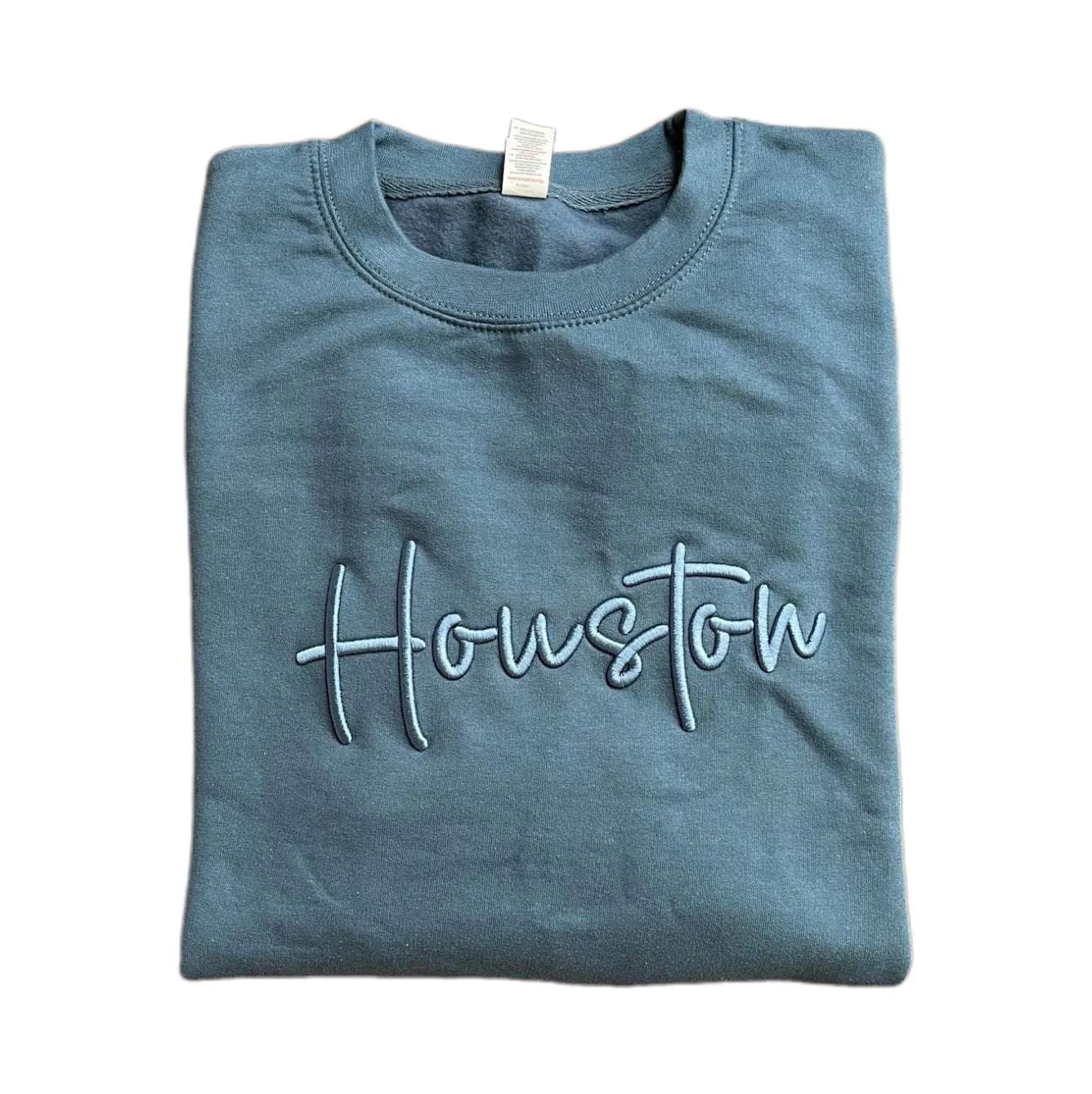
3D embroidery techniques are what happen when traditional needlework refuses to stay in its lane. Instead of accepting the flat limitations of fabric, these techniques build up, out, and around, creating elements that cast actual shadows and beg to be touched.
I'll never forget the moment I truly understood 3D embroidery. I was browsing a boutique in the Village when I spotted this unassuming black sweater. From across the room, it looked simple. Elegant. Understated. But as I got closer, I realized the "simple" floral detail on the shoulder was actually a cluster of French knots so perfectly executed they looked like real baby's breath. I reached out to touch them before I could stop myself.
The price tag? $400. The revelation? I could learn to do this myself.
That's when I discovered the secret world of dimensional stitches: French knots that cluster into clouds, bullion knots that become flower petals, padded satin stitches that create surfaces you want to run your fingers across.
✅ Why 3D Embroidery is Pure Magic:
Instagram gold. This stuff was literally designed for social media, even though it predates the internet by centuries. The way natural light plays across dimensional elements creates automatic highlights and shadows that make every photo look professionally lit. No filter needed.
Luxury transformation power. Take the most basic piece in your closet—that plain black tee you've worn a hundred times—and add a small cluster of 3D embroidered flowers to one shoulder. Suddenly, you're wearing something that looks like it came from a designer atelier.
Infinite customization. Want roses that match your grandmother's garden? A texture that mimics tree bark? Geometric elements that look like architectural details? 3D techniques let you create elements that simply don't exist in flat embroidery or ready-made clothing.
Surprising durability. Despite looking delicate, properly executed 3D embroidery is remarkably sturdy. Those French knots aren't going anywhere, and the dimensional elements actually protect each other from wear.

❌ The Reality Check (Because Someone Has to Say It)
Time investment is substantial. We're talking 4-6 hours for a small floral cluster, 15-20 hours for something truly spectacular. This is meditation-level slow work that tests your patience and commitment.
Learning curve mountain. Getting consistent French knots takes practice. Lots of it. I spent an entire weekend just practicing knots on scrap fabric before attempting my first real piece. But here's the encouraging part: even imperfect dimensional work looks intentional and handmade in the best way.
Strategic placement is everything. Put 3D elements in the wrong spot, and you'll have decorative torture devices poking you all day. The back of a collar? Perfect. Right where your purse strap sits? Disaster.
Care complexity increases. These pieces need gentle washing, careful storage, and strategic pressing. But honestly, when you've invested hours creating something beautiful, taking care of it becomes second nature.
Despite these challenges, 3D embroidery remains the technique that generates the most dramatic transformation. It's the difference between wearing clothing and wearing art.
Perfect for: Patient perfectionists, special occasion pieces, anyone building a signature style that photographs beautifully.
3. Appliqué Embroidery: The Art of Strategic Layering
If needle punch is the speedster and 3D embroidery is the sculptor, then appliqué embroidery is the master storyteller.
This technique is fashion collage at its finest—layering different fabrics onto a base, then stitching around them to create complex, multi-dimensional narratives. It's the method that lets you work with impossible color combinations, integrate patterns that would never exist naturally, and turn fabric scraps into focal points.
My appliqué origin story started with disaster, as the best ones often do. Picture this: favorite white button-down, important meeting, red wine, and a moment of cosmic clumsiness that left me with a stain right over my heart. Literally.
Most people would have relegated that shirt to the "painting clothes" pile. Instead, I saw an opportunity. What if that stain became the center of something beautiful? What if I could turn this wardrobe tragedy into a conversation piece?
Three hours later, I had covered the stain with a geometric appliqué design that looked so intentional, people assumed I'd bought it that way. The shirt went from damaged goods to favorite piece overnight. That's the transformative power of strategic appliqué.
✅ Why Appliqué is Your Secret Weapon:
Color possibilities explode. Want a sunset effect? Use actual sunset-colored fabrics. Need a specific pattern that doesn't exist in thread? Find it in fabric. Appliqué lets you achieve color relationships and pattern combinations that would take hundreds of hours to embroider traditionally—if they're even possible at all.
Problem-solving superpowers. Got a stain? Cover it beautifully. Hole in your favorite piece? Turn it into a design feature. Boring garment that needs personality? Add strategic fabric elements that transform the entire silhouette.
Efficiency at scale. Large areas that would take days to fill with traditional embroidery can be covered in hours with appliqué. It's the technique for people who want big visual impact without endless time investment.
Texture mixing paradise. This is where you can combine materials that would never naturally exist together. Denim on silk. Leather on cotton. Rough on smooth. The contrasts create visual interest that's impossible to replicate with single-material techniques.
Budget-friendly boldness. High-impact designs using fabric scraps cost significantly less than the thread required to achieve similar coverage with traditional embroidery. Plus, it gives you an excuse to collect interesting fabric remnants.

❌ The Challenges Nobody Warns You About:
Bulk management becomes crucial. Multiple fabric layers can transform a fluid garment into something resembling cardboard. Strategic design planning isn't optional—it's survival. But here's the secret: limitations breed creativity. Some of my best designs came from working around bulk restrictions.
Washing becomes a chemistry experiment. Different fabrics shrink, fade, and behave differently when wet. Pre-testing isn't just recommended—it's mandatory unless you enjoy expensive surprises. I learned this the hard way with a beautiful piece that turned into abstract art after one wash cycle.
Edge finishing tests your patience. Getting clean, professional-looking edges around appliqué pieces is meticulous work that can't be rushed. But master this skill, and your work will look indistinguishable from high-end ready-to-wear pieces.
Fabric hoarding becomes inevitable. You'll start seeing potential in every fabric scrap, collecting interesting materials "just in case." Your storage situation will evolve rapidly. Consider it an occupational hazard.
The beauty of appliqué, though, lies in its forgiving nature. Unlike techniques that demand perfection, appliqué celebrates the handmade aesthetic. Slight imperfections read as character, not mistakes.
Perfect for: Upcycling enthusiasts, problem solvers, anyone who loves mixing textures and patterns, vintage-inspired style mavens.

4. Tatting Embroidery: The Undercover Luxury Play
Here's the technique nobody talks about but everyone should know: tatting embroidery.
If you've never heard of tatting, you're not alone. It's the most underestimated technique on this list, which is exactly why it's so powerful. While everyone else is learning the same popular techniques, tatting creates details that are impossible to buy and difficult to replicate.
Picture delicate lace-like elements created through an intricate series of knots and loops. Now imagine those elements strategically placed on contemporary garments. The result? Pieces that look like they were custom-made by European artisans but were actually created during your Netflix binges.
My tatting discovery happened through inheritance—a dusty box of my great-aunt's craft supplies that included these mysterious shuttle-like tools and pattern books written in what looked like code. What started as curiosity became obsession when I realized what those innocent-looking shuttles could create.
The first tatted element I successfully completed took me three evenings and countless false starts. A simple ring-and-chain pattern that measured maybe two inches. But when I sewed it onto the collar of a plain white shirt, the transformation was dramatic. Suddenly, I was wearing something that looked bespoke.
✅ Why Tatting is Your Secret Luxury Weapon:
- Automatic high-end aesthetic. Tatted elements look expensive, period. There's something about the intricate knotwork and delicate scale that immediately elevates whatever it touches. Add tatting to a $20 thrift store find, and people will assume you shopped somewhere with a three-month waiting list.
- Ultimate portability. This is the perfect commuter craft. A shuttle, some thread, and a pattern fit in any bag. No hoops, no fabric, no complicated setup. I've tatted on subways, in waiting rooms, during conference calls. It's meditation disguised as productivity.
- Minimal material maximalism. You can create stunning results with just thread and shuttles. No massive supply list, no storage challenges, no equipment that takes over your dining room table. It's the minimalist's dream craft.
- Impossibly unique results. Every tatted piece is clearly, unmistakably handmade. In our mass-produced world, that handcrafted signature becomes a luxury statement. You're not just wearing clothing—you're wearing evidence of time, skill, and care.
- Zen-level focus. Once you find the rhythm, tatting becomes incredibly meditative. The repetitive knotting action has this almost hypnotic quality that clears your mind while your hands create something beautiful.

❌ The Brutal Honesty Section:
-
Learning curve from absolute hell. I'm not going to sugarcoat this: the first few attempts will make you question your intelligence, coordination, and life choices. The movements feel completely unnatural initially. You'll drop shuttles, tangle thread, and create knots that look nothing like the diagrams.
But here's the thing about difficult beginnings: they create deeper satisfaction. When you finally nail that first perfect ring, the triumph is intoxicating.
- Progress moves at geological speed. We're talking hours for elements that could fit on a postage stamp. This is not the technique for instant gratification seekers. But consider this: the slow pace forces you to appreciate each element you create. Every piece becomes precious.
- Color complexity usually backfires. While appliqué celebrates bold color combinations, tatting works best with simple, elegant palettes. Complex colors often muddle the intricate patterns. But this limitation pushes you toward sophisticated, timeless choices.
- Tool hunting becomes necessary. Tatting shuttles aren't available at every craft store. You might need to order online, hunt through specialty shops, or explore vintage stores. But once you have quality tools, they last forever.
- Mistake recovery can be devastating. Make an error halfway through a complex pattern, and you might be starting over completely. Unlike other techniques where you can often work around mistakes, tatting demands precision from start to finish.
Despite these challenges—or perhaps because of them—tatting creates results that are impossible to achieve any other way.
Perfect for: Patient perfectionists, vintage enthusiasts, anyone who finds peace in repetitive tasks, minimalists who want maximum impact.

5. Towel Embroidery: The Textural Revolutionary
Last but absolutely not least, let's talk about the technique that sounds boring but creates the most interesting textures: towel embroidery.
I know what you're thinking. Towel embroidery? Really? That's the big finale? But stay with me, because this technique is the ultimate sleeper hit of the embroidery world.
Traditional towel embroidery creates those plush, looped surfaces on terry cloth. But fashion-forward embroiderers have adapted the technique for contemporary clothing, creating subtle textural elements that add incredible sophistication to minimalist pieces.
My towel embroidery enlightenment came at an unexpectedly chic boutique in Portland. I was examining what looked like a simple grey sweatshirt when I noticed these subtle textural panels that seemed to shimmer as I moved. Closer inspection revealed they were actually embroidered loops, creating surfaces that were simultaneously simple and complex, minimal and rich.
The price tag? $180 for a sweatshirt. The technique? Something I could learn in an afternoon.
Here's what makes towel embroidery special: Instead of adding color or obvious decoration, it adds pure texture. It's embroidery for people who prefer whispers to shouts, who understand that sometimes the most powerful statements are the subtlest ones.
✅ Why Towel Embroidery is Your Sophisticated Secret:
- Photogenic texture magic. The looped surfaces catch and reflect light in ways that create natural highlights and shadows. It's incredibly subtle in person but photographs with stunning depth and dimension. Perfect for the social media age.
- Zero special equipment required. If you can do basic embroidery, you can do towel embroidery. No new tools to buy, no techniques to master beyond controlling your tension. It's accessible luxury.
- Functional benefits included. Those loops aren't just decorative—they actually have moisture-wicking properties. Perfect for athletic-inspired pieces or loungewear that needs to work as hard as it looks good.
- Minimalist aesthetic perfection. This technique shines with simple, clean designs. It's embroidery for people who appreciate understated elegance, who understand that sometimes less really is more.
- Surprising durability factor. Properly executed towel embroidery holds up remarkably well to washing and wearing. The loops support each other, creating surprisingly robust textural surfaces.

❌ The Limitations to Consider:
- Design restrictions are real. Complex patterns don't translate well to looped surfaces. This is simple-shapes-only territory, which can feel limiting if you prefer intricate designs. But constraints breed creativity—some of the most striking pieces I've seen used towel embroidery with almost architectural simplicity.
- Consistency demands precision. Uneven loops look sloppy, not artisanal. The technique requires steady tension control and consistent hand movements. It's more demanding than it initially appears.
- Care requirements multiply. Those beautiful loops need gentle treatment to maintain their texture. Machine washing can flatten them, heat can damage them, and rough handling can pull them out of shape. But caring for handmade pieces becomes part of their story.
- Thread consumption increases. Creating loops uses significantly more thread than flat embroidery. Factor this into your project planning and budget.
- Strategic application is crucial. The texture doesn't work everywhere on every garment. Thoughtful placement becomes essential for both aesthetic and practical reasons.
But here's why towel embroidery deserves serious consideration: in a world obsessed with obvious decoration, subtle texture creates mystery. People know something interesting is happening, but they can't immediately identify what. That intrigue factor is powerful.
Perfect for: Minimalist design lovers, anyone building a sophisticated wardrobe, people who appreciate subtle details, athletic wear enthusiasts.

The Art of Strategic Combination: Where Real Magic Happens
Now that you understand each technique individually, let's talk about what separates amateur work from pieces that make people stop and stare: strategic combination.
The most compelling embroidered pieces rarely use just one technique. Instead, they layer techniques strategically, using each one's strengths to create complex, sophisticated results that would be impossible to achieve with any single method.
Here's how the masters think about combination:
- Start with your hero element. What's the main story you want to tell? Maybe it's a dimensional flower cluster (3D embroidery) that becomes the focal point. Everything else supports that story.
- Add supporting characters. Perhaps appliqué leaves that provide color contrast and scale. Maybe tatted elements that add delicate detail work around the edges.
- Consider textural contrast. Smooth tatted elements against rough needle punch textures. Flat appliqué backgrounds with dimensional 3D details floating on top.
- Think about construction order. Some techniques are easier to execute before others are in place. Plan your sequence to set yourself up for success rather than fighting against your own work.
But here's the crucial part: restraint. The temptation when learning multiple techniques is to use them all, everywhere, all at once. Resist. The most sophisticated work uses techniques purposefully, not exhaustively.

The Bigger Picture: Why This Matters Now
We're living through a fascinating cultural moment. Fast fashion has made clothing cheaper and more accessible than ever, but it's also made personal style more homogeneous. Everyone's wearing variations of the same pieces from the same few companies.
Meanwhile, social media has created an appetite for unique, photogenic pieces that tell stories. People want clothing that expresses their personality, that can't be easily replicated, that sparks conversations.
Embroidery techniques bridge this gap perfectly. They offer a way to transform basic, affordable pieces into unique statements. They provide the handmade luxury that mass production can't replicate. They create the visual interest that social media rewards.
But beyond trends and Instagram likes, there's something deeper happening here. In our increasingly digital world, working with your hands becomes a form of meditation. Creating something beautiful becomes an act of rebellion against throwaway culture. Wearing something you made yourself becomes a declaration of independence from mass market conformity.
These techniques aren't just about clothing—they're about reclaiming creativity, developing patience, and building confidence. Every stitch is a small act of self-expression. Every finished piece is proof that you can create beauty in the world.
Conclusion
So here's where we are: you know the five techniques that are transforming fashion. You understand their strengths, limitations, and possibilities. You've got the strategic framework for choosing your first project.
Now comes the crucial part: actually starting.
Your homework is simple: Pick one technique that excited you while reading this. Not the easiest one, not the most practical one, but the one that made you think, "I want to try that." Order the basic supplies. Clear a weekend. And start creating something that's uniquely yours.
Because here's the ultimate truth about embroidery in fashion: the best piece isn't the most technically perfect one. It's not the one that follows all the rules or impresses other embroiderers. It's the one you actually finish and wear with confidence.
The fashion world is hungry for authenticity right now. Mass production has made everything feel generic, and people are craving pieces with personality, history, and craftsmanship. These five techniques are your tools for creating that authenticity.
But tools are only as good as the hands that use them. Your unique perspective, your color preferences, your aesthetic choices—those are what will transform these techniques from craft projects into personal style statements.
The revolution isn't coming. It's already here, happening in bedrooms and coffee shops and commuter trains, one stitch at a time. People are quietly transforming their wardrobes, creating pieces that can't be bought, expressing themselves in ways that mass production never allowed.
The question isn't whether you should join this revolution. The question is: what will you create first?
Ready to make your mark? The fashion world is waiting for your personal touch. Pick up a needle. Choose your thread. And start stitching your way to a style that's unmistakably, unapologetically yours.
Because at the end of the day, anyone can buy fashion. But only you can create your style.
FAQs About Essential Embroidery Techniques
Which embroidery technique is the best for beginners?
For beginners, needle punch embroidery is the most recommended. It’s easy to pick up, provides quick results, and helps build confidence. Appliqué using fabric scraps is also beginner-friendly and offers lots of creative freedom.
How long does it take to master embroidery techniques?
Mastering embroidery techniques can take time, depending on the complexity of the method:
- Needle punch embroidery can be learned quickly, within a few hours or days.
- 3D embroidery and tatting may take several weeks to become proficient, as they require precision and practice.
- Appliqué is relatively quick to learn, but creating detailed designs might take a few hours to complete.
How do I maintain embroidered clothes?
Embroidery requires special care to keep it looking its best:
- Wash embroidered items in cold water on a gentle cycle or hand wash.
- Avoid wringing or rough handling, especially for 3D or towel embroidery.
- Store embroidered items carefully to avoid damage to delicate elements.
What is the difference between 2D and 3D embroidery?
2D embroidery is flat and is the traditional form of embroidery, where the design sits on the surface of the fabric. 3D embroidery, on the other hand, adds depth and texture to the design, creating raised, dimensional elements that stand out from the fabric.
Can embroidery techniques be applied to accessories and home decor?
Absolutely! Embroidery is versatile and can be applied to accessories like bags, hats, and scarves, as well as home decor items such as pillows, tablecloths, and wall hangings. The techniques you choose depend on the look and texture you want to achieve.